
What does fulfilment cost?
The honest answer is: it depends. More useful than a figure is an overview of the items a fulfilment quotation is built from – and of the information you need to supply before anyone can calculate seriously.
Why nobody can quote a price without knowing you
Fulfilment is not a product with a list price but a service whose effort is almost entirely driven by your items and your orders. A parcel holding three small parts from a shelf rack takes a different effort from a pallet of long goods that has to be moved by forklift.
Anyone quoting a per-parcel price without asking questions either has a very narrow standard offer – or will renegotiate later. Both show the same signs: no question about the number of items, none about order structure, none about seasonality.
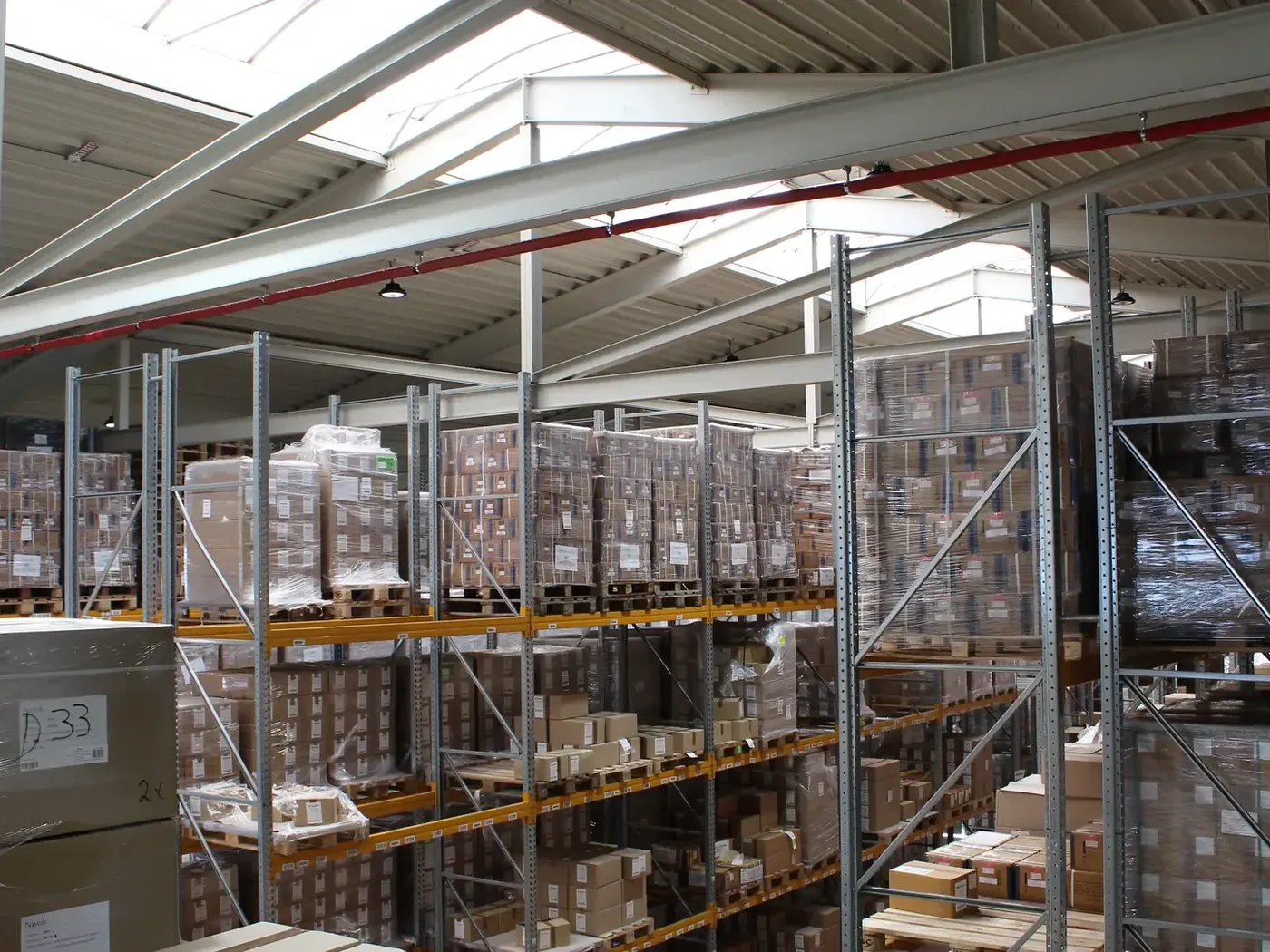
The six items in almost every quotation
Whatever the provider, a fulfilment quotation is built from the same blocks. To compare offers you have to lay those blocks side by side individually – the total on its own says little.
- Goods-in
- Receiving, checking and putting away your delivery. Usually charged per pallet, per carton or by time. The effort depends on how the goods arrive: sorted on pallets, or mixed in a container.
- Storage
- The running rent for the space your goods occupy – per pallet position, per shelf position or per square metre and month. What decides here is not quantity alone but turnover: goods that sit for a long time cost for a long time.
- Order picking
- Assembling the order. A basic charge per order plus an amount per additional line is common. That is why the average number of lines per order is one of the most important figures of all.
- Packing
- Carton, filling material, tape, label – and the working time for it. Special requests such as gift wrapping, inserts or customer-supplied cartons are shown separately.
- Shipping
- The postage charged by the parcel or freight carrier. Whether you use your provider’s rates or bring your own is a matter for negotiation and makes the biggest difference at high volumes.
- Returns
- Receiving, inspecting, refurbishing and putting away. Usually charged per return, sometimes staggered by inspection effort. In sectors with a high return rate this is not a minor item.
What you need to supply for a solid quotation
The more precise these figures, the less room there is for later additional charges. If you do not yet know a figure, an honest estimate beats leaving it out.
- Number of items (SKUs) and how many of them move regularly
- Dimensions and weight – at least of the largest and the smallest items
- Orders per month and average number of lines per order
- Seasonality: how does the strongest month compare with the weakest?
- Return rate, if you sell to end customers
- Special requirements: dangerous goods, shelf life, serial numbers, batches
- Which systems are in use and what interfaces exist
Three cost traps worth settling in advance
The real surprises rarely come from the six items above. They come from the edges.
- Minimum volume
- Many contracts contain a monthly minimum quantity or minimum turnover. In a weak month you then pay for a service you did not draw on. Ask about it before you sign.
- Cost of moving out
- What happens if you leave the provider again? Some contracts set rates for outbound transfer that are well above the goods-in rates. That is permissible, but should be known.
- Integration cost
- Setting up an interface to your shop or ERP system is project work. Whether it is included, charged as a lump sum or by effort belongs in the quotation.
Frequently asked questions
For very narrow standard cases there are package prices, for instance small parts with identical packaging. As soon as items, quantities or packaging vary, a flat rate leads either to a high safety margin or to renegotiation.
The average number of lines per order, together with the number of orders per month. That determines the picking effort, which in most cases is the largest single item after postage.
No. Prices given without knowing your items and quantities would be made up. Tell us about your situation and we will calculate – you will have a quotation within 24 hours at the latest.
And if you would rather hand it over
- Fulfillment and Warehousing – Goods receiving, storage, order picking and dispatch
- Returns Management and Refurbishment – Inspection, refurbishment, put-away
More from the guide:Changing fulfilment providerIs fulfilment worth it?
Our services at a glance
Looking to make your processes more efficient?
Tell us where you stand – product range, volumes, systems in use. You will receive a quotation within a maximum of 24 hours.